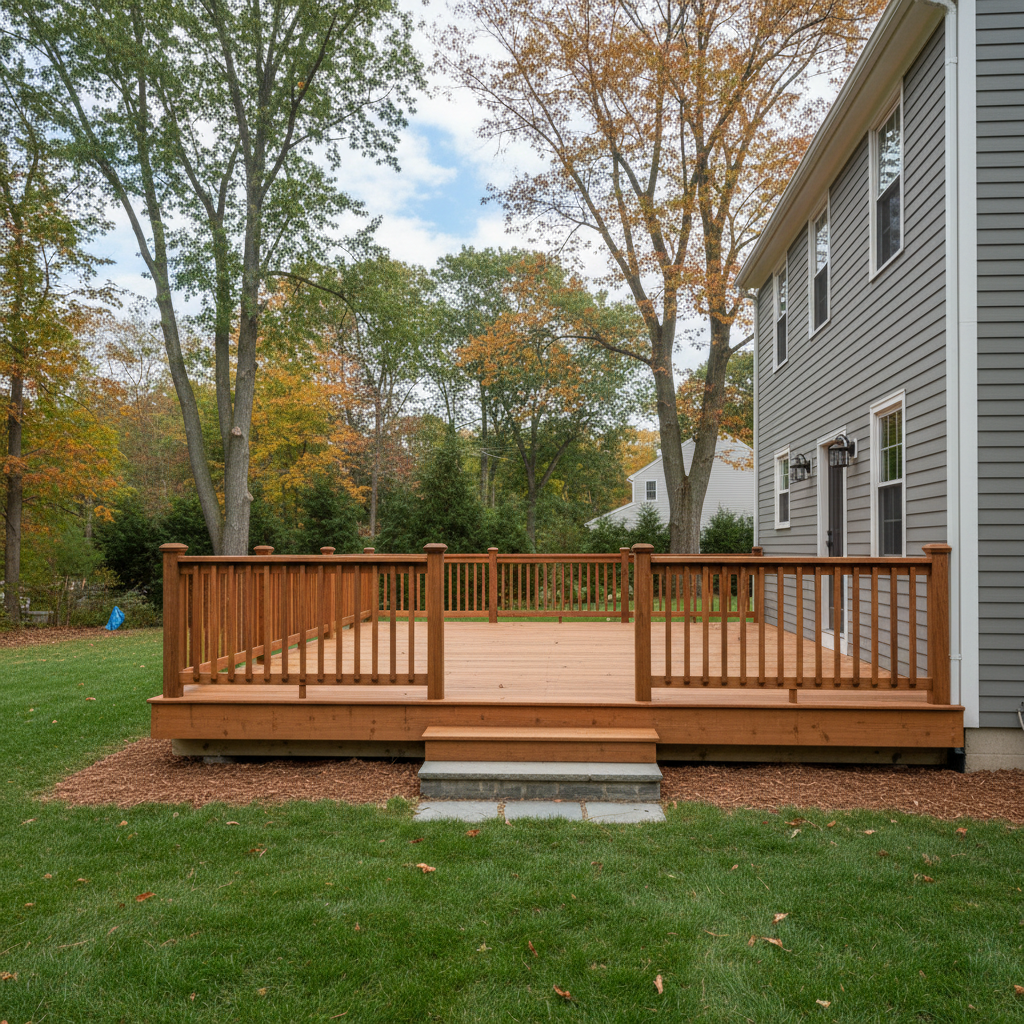
You've got a wooden deck, right? It's a great addition to any Medford home, giving you that extra outdoor living space. But let's be real, our New England weather isn't exactly gentle. From the brutal winters to the humid summers, your deck takes a beating. I've seen it all, and I want to share what I've learned about keeping your wooden deck in top shape, no matter the season.
When to Schedule Deck Work in Medford
Timing is everything when it comes to deck projects. You want to hit that sweet spot where the weather's cooperating, and you're not rushing against the elements. For major construction, like building a new deck or doing a significant overhaul, spring and fall are your best friends. The temperatures are moderate, and you're less likely to get hit with a sudden snowstorm or a week-long heatwave that makes working outside miserable.
Spring, usually April through June, is fantastic. The ground's thawed, and the air isn't too humid. You get good drying times for stains and sealants. Fall, say September through October, is also prime time. The leaves are beautiful, the air is crisp, and it's perfect for getting things done before the deep freeze sets in. We often find ourselves busy with new builds and repairs for folks in West Medford and other areas during these windows.
What about summer? July and August can be tricky. High humidity means longer drying times for finishes, and those scorching hot days aren't ideal for the crew or the materials. Plus, you probably want to be using your deck, not having it under construction. Winter? Forget about it for most major work. Freezing temperatures and snow make it nearly impossible to do quality work, especially with wood products that need specific conditions to cure properly.
Weather Conditions That Affect Deck Work
It's not just about the season; it's about the daily conditions. When we're building or refinishing a deck, we're always keeping an eye on the forecast. Here's why:
- Rain: Obvious, right? You can't stain or seal a wet deck. The moisture gets trapped, and your finish won't adhere properly. It'll peel, blister, and you'll be redoing it sooner than you think. Even a light drizzle can mess things up.
- Temperature: Most stains and sealants have a recommended temperature range for application, usually between 50°F and 90°F. Too cold, and the product won't cure. Too hot, and it dries too fast, leading to uneven application and poor penetration.
- Humidity: High humidity slows down drying times significantly. What might take a day to dry in dry air could take two or three days when it's really muggy. This can push back schedules and leave your deck vulnerable for longer.
- Direct Sunlight: While you need some sun for drying, intense direct sunlight can be a problem. It can cause finishes to dry too quickly on the surface, trapping solvents underneath and leading to blistering or cracking. We often try to work in shaded areas or during cooler parts of the day if the sun is blazing.
These are all things Platinum Decks Medford considers before we even pick up a tool. We want the job done right, and that means respecting what the weather's doing.
Protecting Your Wooden Deck Year-Round
Okay, so you've got a beautiful wooden deck. How do you keep it that way through all four of our crazy seasons?
Spring Cleaning & Inspection
Once the snow melts and things start to green up, give your deck a good once-over. Clean off all the leaves, dirt, and debris that accumulated over winter. A soft scrub brush and a mild deck cleaner work wonders. Look for any loose boards, popped nails, or splinters. Check the railings for stability. This is also a good time to assess if it needs a fresh coat of sealant or stain.
Summer Care
Enjoy it! But don't forget to sweep regularly. Grilling? Put a mat under the grill to catch grease. Spills? Clean them up right away. Our Medford summers can get pretty humid, which is a breeding ground for mildew. If you see any green or black spots, clean them with a deck cleaner specifically designed to kill mildew.
Fall Prep
This is crucial. Before the leaves really start falling, clear your deck. Piles of wet leaves sitting on your deck all winter are a recipe for rot and mildew. Give it another good cleaning. If your deck needs a fresh coat of protection, fall is the time to do it, as long as temperatures are still above 50°F and you've got a few dry days ahead. Make sure all fasteners are tight and there are no loose boards going into winter.
Winter Protection
Once the snow starts, try to avoid piling it up on your deck. If you can, clear it off gently with a plastic shovel to prevent excessive weight and prolonged moisture contact. Don't use rock salt or ice melt products on your wooden deck; they can corrode fasteners and damage the wood finish. Sand is a safer bet if you need traction. Just let nature do its thing for the most part, and make sure water can drain off properly.
A little proactive care goes a long way. Your wooden deck is an investment, and with our climate, it needs consistent attention. Keep an eye on it, and don't hesitate to reach out if you have questions or need a hand.