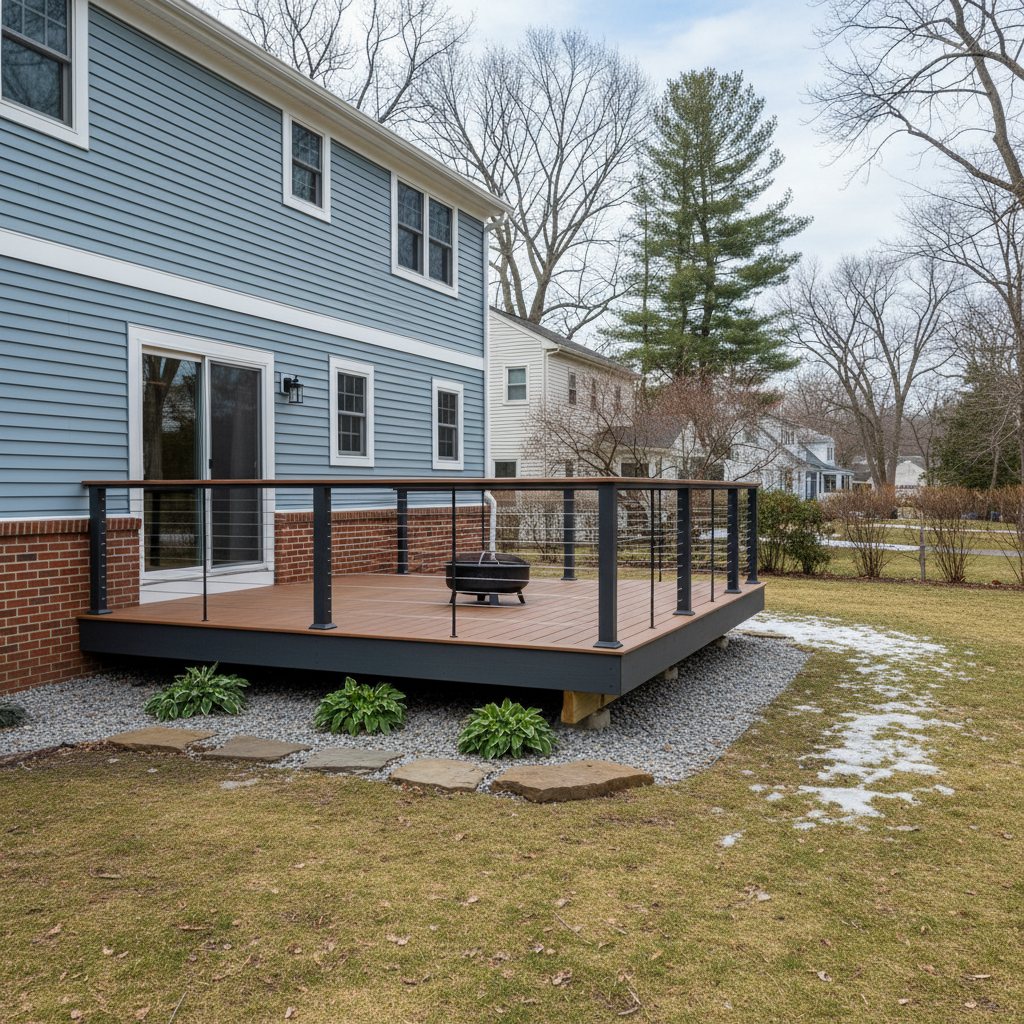
You're probably wondering if a metal deck is even a good idea with the kind of weather we get here in Medford. It's a fair question. We see everything from scorching summer sun to heavy, wet snow, and that definitely affects how a deck performs and how it's built.
I've been building decks around here for years, and I've seen plenty of materials come and go. Metal decks, specifically aluminum, are becoming more popular for good reason: they're tough, low-maintenance, and look sharp. But just like anything else, understanding our local climate is key to getting the most out of your investment.
When to Schedule Your Metal Deck Project in Medford
Timing is everything, especially when you're talking about outdoor construction in New England. For metal decks, I generally tell folks that spring and fall are your best bets. Here's why:
Spring (April - June): This is prime time. The ground's thawed out, the really heavy rains of early spring are usually behind us, and we haven't hit the brutal humidity and heat of summer yet. The temperatures are consistent, which is good for the crew and for any concrete work that might be involved in the footings. Plus, you get to enjoy your new deck all summer long.
Fall (September - November): Another excellent window. The summer heat has broken, and the air is crisp. We're usually past the worst of the summer thunderstorms, and the ground is still workable before the deep freeze sets in. Getting it done in the fall means it's ready for next spring's outdoor living without the rush.
Summer (July - August): We can definitely build in the summer, but it comes with challenges. Those 90-degree days with high humidity? They're tough on everyone. It can also affect concrete cure times and how comfortable the crew is working with metal that's been baking in the sun. If your schedule only allows for summer, we make it work, but it's not ideal.
Winter (December - March): Honestly, this is a no-go for new deck construction, especially for the main structure. Digging footings in frozen ground is a nightmare, and working with metal components in freezing temperatures isn't practical or safe. Save your winter for planning and dreaming, not building.
How Medford's Weather Affects the Work Itself
It's not just about comfort; the weather directly impacts the quality and efficiency of the build. You might not think about it, but things like:
Rain: A light drizzle usually isn't a problem, but heavy downpours can halt work. We can't pour concrete footings in a deluge, and working with power tools on wet surfaces isn't safe. It also makes the job site muddy and slows everything down.
Temperature Extremes: As I mentioned, extreme heat makes metal components hot to handle and can affect the crew's stamina. Extreme cold makes everything brittle and difficult to work with. We're talking about precision here, and you don't want your crew rushing because their fingers are numb.
Wind: Strong winds, especially during framing, can be dangerous. Lifting long, heavy beams or panels in high winds is a safety hazard for everyone on site.
Humidity: While not as critical for metal as it is for wood, high humidity can make things slick and uncomfortable. It also means slower drying times for any sealants or coatings we might use.
We're always monitoring the forecast at Platinum Decks Medford, and we'll communicate openly if weather delays are expected. Safety and quality always come first.
Protecting Your Metal Deck Investment Year-Round
One of the big draws of metal decks is their low maintenance, but "low" doesn't mean "no." Our Medford climate still throws a lot at them. Here's how to keep yours looking great:
Seasonal Cleaning: Twice a year, give it a good wash. A soft brush, mild soap (like dish soap), and water are usually all you need. Get rid of any accumulated leaves, pollen, or general grime. Pay attention to the gaps between boards where debris can collect. That old oak tree dropping acorns in your backyard in West Medford? You'll want to sweep those off regularly.
Snow Removal: While your metal deck can handle the weight of snow, avoid using metal shovels directly on the surface, especially if it's coated. A plastic shovel or a broom is better to prevent scratches. Don't use rock salt or abrasive ice melt products; they can be corrosive over time. Sand or a non-corrosive de-icer is a safer bet.
Check Fasteners and Connections: Do a quick visual inspection once a year, usually in the spring. Make sure all screws and bolts are snug. Our freeze-thaw cycles can put stress on any outdoor structure, so it's good to catch anything loose early.
Avoid Harsh Chemicals: Stick to mild cleaners. Bleach, pressure washers set too high, or abrasive cleaners can damage the finish of your metal deck, leading to dullness or even corrosion down the line.
Furniture Pads: If you have heavy furniture, consider putting pads on the feet to prevent scratching, especially if you're sliding things around a lot.
Metal decks are a fantastic choice for longevity and style, especially here in Medford. Just like any outdoor feature, a little bit of seasonal attention goes a long way in making sure it serves you well for decades to come.